

7 Mistakes You’re Making with Brake Repair in San Francisco (and How to Fix Them)
San Francisco is world-famous for its views, its sourdough, and: much to the chagrin of our brake pads: its verticality. Driving in this city is essentially a relentless stress test for your vehicle. Between the 30% grades on Filbert Street and the stop-and-go crawl of the Embarcadero, your brakes are working harder in a single afternoon than a car in Kansas does in a month.
As an expert mechanic in San Francisco, I’ve seen it all. I’ve seen pads worn down to the backing plate, rotors that look like they were used as target practice, and brake fluid that resembles soy sauce. We get it: life is busy, and car maintenance is rarely at the top of the “fun things to do on Saturday” list. However, when it comes to brake repair in San Francisco, mistakes don’t just cost money; they cost peace of mind.
Here are the seven most common mistakes SF drivers make with their brakes and, more importantly, how you can fix them before you find yourself rolling backwards down a hill.
1. The “Turn Up the Radio” Method: Ignoring Squeals and Grinds
We’ve all been there. You hit the pedal, and you hear a high-pitched squeak. You tell yourself, “It’s just the damp SF air,” or “Maybe I just ran over a very small, very loud toy.” Then you turn up the volume on your favorite podcast and keep driving.
The Reality: Modern brake pads are designed with a tiny metal tab called a wear indicator. When the friction material gets dangerously thin, that tab scrapes against the rotor to create that exact squealing sound. It is literally your car screaming for help. If you ignore it, that squeak turns into a rhythmic grinding: that’s the sound of metal-on-metal. At that point, you aren’t just replacing pads; you’re likely destroying your rotors and calipers too.
The Fix: Listen to your car. If you hear anything other than silence when you brake, it’s time for a professional check-up. Catching a brake issue at the “squeak stage” is significantly cheaper than waiting for the “grind stage.”
2. The “Just One More Week” Fallacy (Especially on SF Hills)
In a flat city, you might be able to stretch out a worn set of brakes for a few extra days. In San Francisco, that is a dangerous game. Gravity is a constant adversary here. When you’re descending a steep hill, your brakes have to convert an immense amount of kinetic energy into heat.
The Reality: Thin pads dissipate heat poorly. If your pads are already on their last legs, they can “glaze” or overheat almost instantly during a steep descent. This leads to brake fade, where the pedal feels spongy and the car simply refuses to stop as quickly as it should. Why ignoring your brakes can lead to costly brake repairs is a lesson best learned in a blog post, not at a red light on a 20-degree incline.
The Fix: If your mechanic tells you your pads are at 3mm or less, replace them immediately. Don’t wait for the “next service.” San Francisco hills don’t offer second chances.

3. Treating Brake Fluid Like It Lasts Forever
Most drivers know they need to change their oil. Many know they need to check their coolant. Almost nobody remembers their brake fluid.
The Reality: Brake fluid is “hygroscopic,” which is a fancy way of saying it’s a sponge for moisture. Over time, water from our foggy SF air seeps into the brake lines. This lowers the boiling point of the fluid. When you’re riding your brakes down a hill, that moisture can actually turn into steam inside your lines. Since steam is compressible and fluid isn’t, your brake pedal will go straight to the floor.
The Fix: Include a brake fluid test in your regular vehicle repair in San Francisco. A flush every two years or 30,000 miles is a general rule of thumb. The role of fluid checks in maintaining your vehicles performance cannot be overstated: it is the lifeblood of your stopping power.
4. Being a “Penny Pincher” with Cheap, Low-Quality Parts
We love a good deal as much as anyone, but your brakes are not the place to look for the “budget special” on a random marketplace website.
The Reality: Cheap aftermarket pads often use inferior friction materials that wear out faster, create excessive dust, and: worst of all: can’t handle the heat cycles required for SF driving. They might save you $40 today, but if they fail or warp your rotors in six months, you’ve actually lost money.
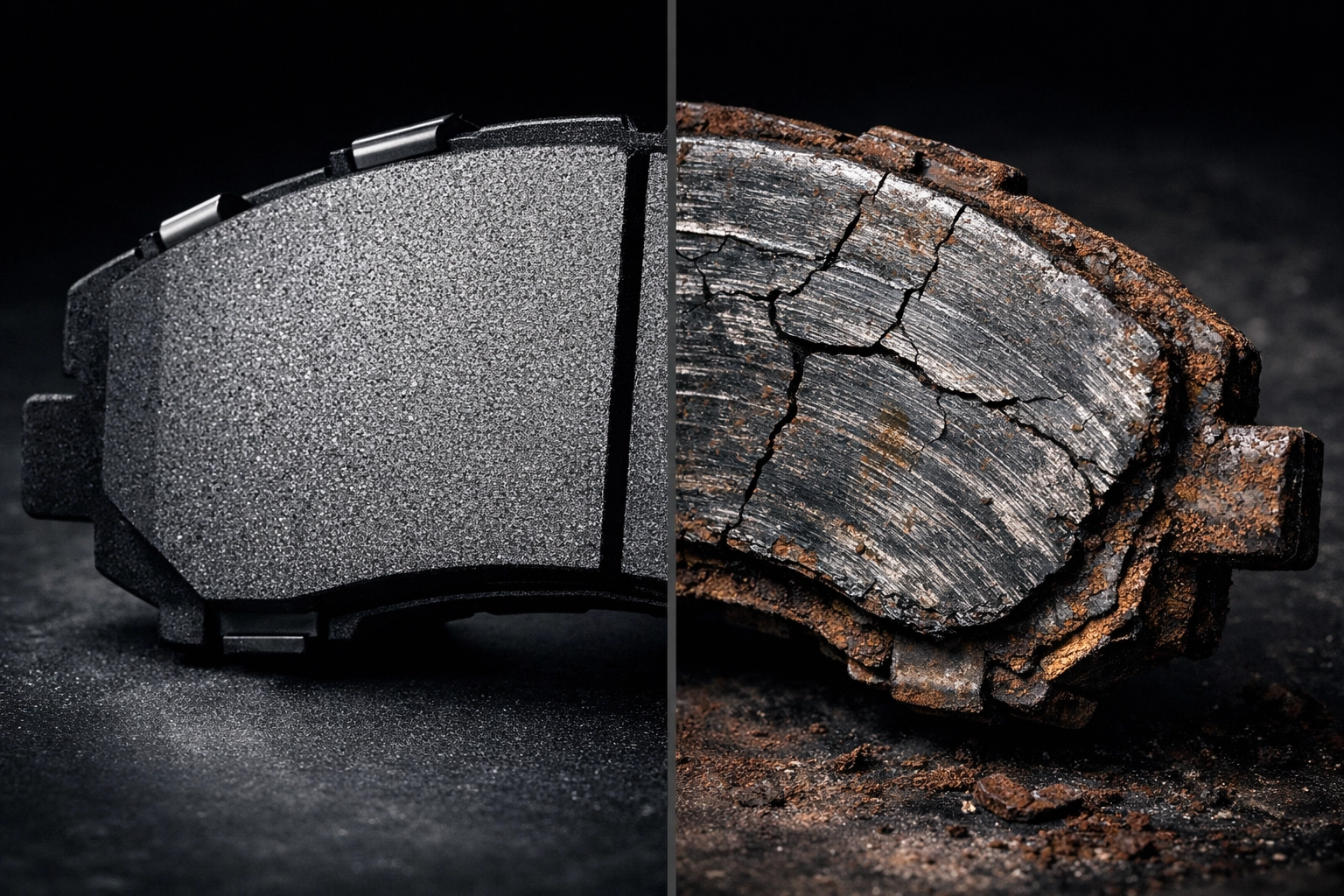
The Fix: Invest in high-quality, OEM-spec (Original Equipment Manufacturer) or better parts. Ceramic or high-end semi-metallic pads are usually the best bet for the heavy-duty braking required in the city. At Masonic Smog & Repair, we prioritize parts that we know can handle the local terrain.
5. The “Pad-Only” Specialized Vision (Ignoring Rotors)
A common mistake: even for some DIY enthusiasts: is just “slapping pads” onto a car without looking at the rotors.
The Reality: The rotor is the disc that the pads squeeze to stop the car. In San Francisco, rotors often suffer from “warping” or “scoring.” If you put smooth new pads on a rough, grooved, or warped rotor, the pads won’t make full contact. This reduces your stopping power and ensures your brand-new pads will wear out in record time. Furthermore, the salty air near the Sunset and Richmond districts can cause rust to build up on the edges of the rotors, affecting performance.
The Fix: Every time you get your pads replaced, the rotors must be inspected. They should either be “resurfaced” (machined to be perfectly flat again) or replaced entirely if they are too thin.
6. Skipping Regular Inspections Because “It Feels Fine”
Your brakes don’t always give you a warning before they get to a critical state. Some issues, like a sticking caliper or a tiny leak in a brake line, are invisible to the driver until a total failure occurs.
The Reality: Regular inspections are the only way to catch “sneaky” problems. For example, a caliper that isn’t sliding correctly will cause one pad to wear out much faster than the others. You won’t feel it in the pedal until that one pad is gone and starts eating your rotor. Routine checks are one of the top 10 tips for maintaining your vehicles value.
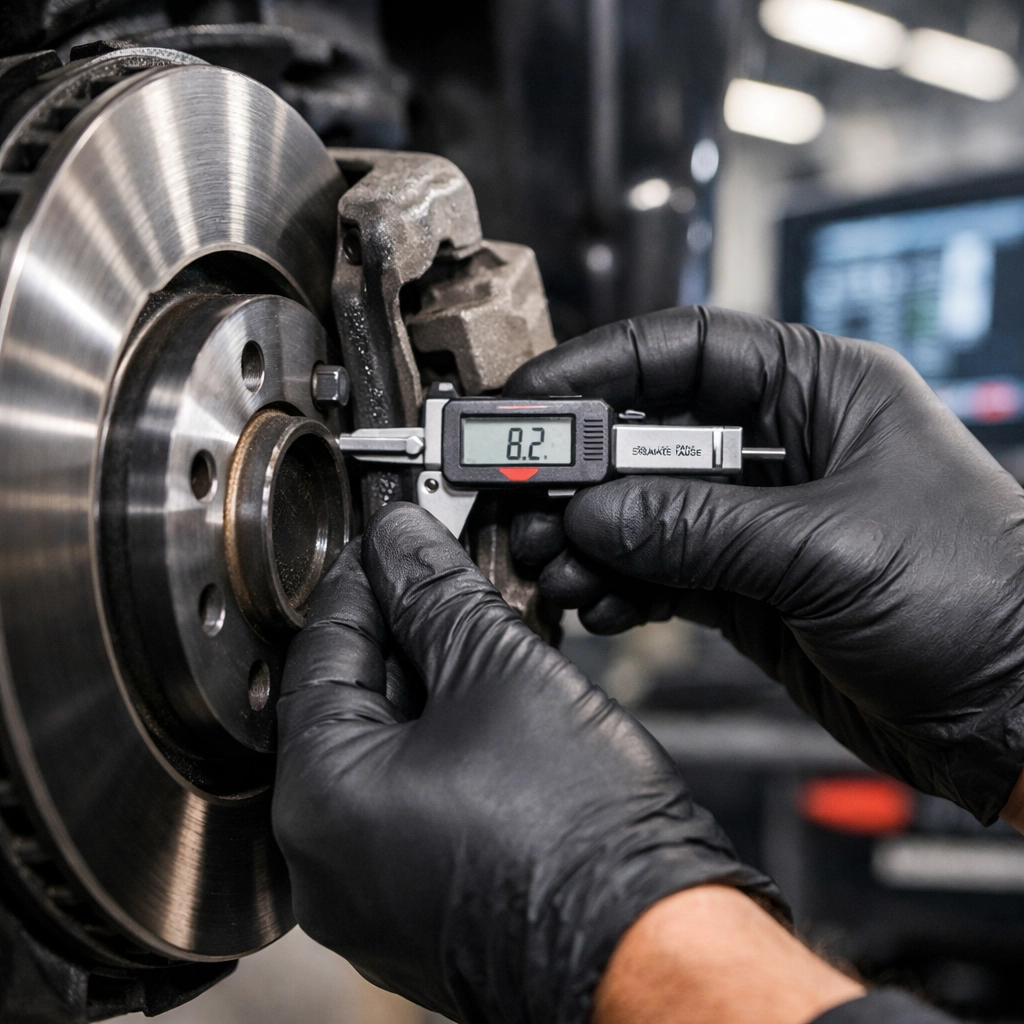
The Fix: Have a professional look at your brakes every time you get an oil change or a tire rotation. It takes a mechanic about five minutes to pull a wheel and check the thickness of your pads and the condition of your lines.
7. Choosing a Mechanic Who Doesn’t “Get” San Francisco
Not all shops are created equal. A mechanic in a flat, rural area might suggest a different maintenance schedule or part grade than what you actually need for city life.
The Reality: San Francisco driving is considered “severe service” by almost every auto manufacturer. If your mechanic treats your car like it’s just cruising on a highway in the Central Valley, they might miss the signs of heat stress or accelerated wear that are unique to our streets.
The Fix: Choose a local expert. You want a mechanic in San Francisco who understands that “driving to the grocery store” here involves more gear changes and braking than a 50-mile commute elsewhere. At Masonic Smog & Repair, we live and drive these streets too. We know exactly what the Grade of California Street does to a Honda Civic’s brakes.
Why Trust Masonic Smog & Repair?
Brakes are arguably the most important safety feature on your vehicle. While a broken A/C is annoying, broken brakes are a crisis. Our team at Masonic Smog & Repair prides itself on being a trustworthy partner for San Francisco drivers. We don’t just “fix cars”: we ensure your vehicle is prepared for the unique challenges of the Bay Area.
Whether you need a simple inspection, a full rotor replacement, or help with a stubborn brake light, we’re here to help. We believe in transparency, quality parts, and getting you back on the road with the confidence that when you hit that pedal, your car will respond exactly how it should.
Don’t wait for a scary moment on a steep hill to think about your brakes. If you’re noticing any of the signs we mentioned: or if it’s just been a while since your last check: give us a call or visit our contact page.
Keep those pads thick and your rotors smooth. We’ll see you on the road (and hopefully not rolling down a hill backwards)!

Want to learn more about keeping your car in top shape for the city? Check out our blog for more tips on everything from smog checks to tire selection.