
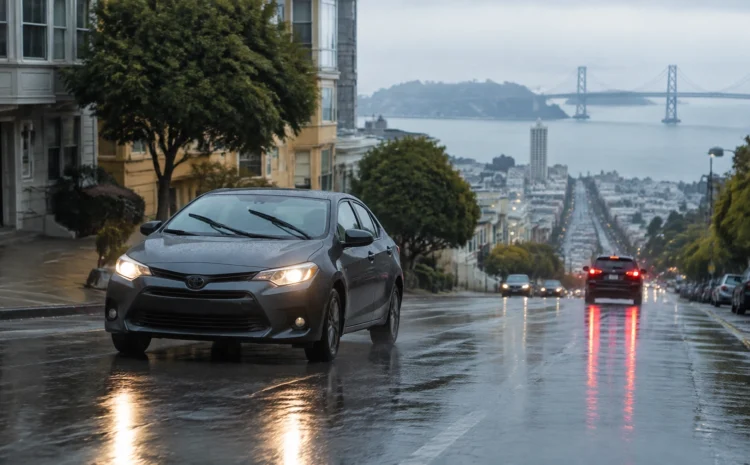
San Francisco Rain Is Coming: 6 Things to Check Before the First Storm
San Francisco’s first serious storms can arrive after months of dry pavement, dust, and fog. When they do, your vehicle suddenly has to manage slick roads, reduced visibility, standing water, and heavier electrical demand.
Early October is a good time to prepare. A few preventive checks now can help you avoid a roadside breakdown, preserve expensive components, and drive with more confidence when rain reaches the Bay Area. The California DMV’s wet-weather guidance also recommends reducing speed, increasing following distance, and using your wipers, low-beam headlights, and defroster in rainy conditions.
Here are six areas to check before the first storm.
1. Check your brakes before wet hills test them
Rain does not make a healthy braking system unsafe by itself, but wet pavement gives your tires less grip. That means it takes longer to stop, especially if you are traveling too fast or following another vehicle too closely.
San Francisco’s hills add another challenge. Descending a steep grade requires your brakes to manage more heat and force. If your brake pads are thin, your rotors are damaged, or your brake fluid has absorbed moisture, braking performance may suffer when you need it most.
Watch for:
- Squealing, grinding, or scraping when braking
- A brake pedal that feels soft or sinks lower than usual
- Steering-wheel vibration or pedal pulsation
- Pulling to one side during a stop
- A burning smell after descending a hill
- A brake or ABS warning light
Do not wait for a grinding noise before scheduling an inspection. A worn pad can damage the rotor, turning a relatively small repair into a more expensive one. If you regularly drive steep streets, a professional brake inspection before the rainy season is a practical part of brake repair in San Francisco.
On wet roads, begin braking earlier and use smooth, progressive pressure. Avoid sudden braking or steering whenever possible. Leaving more space between your vehicle and the car ahead gives you extra time to respond.
2. Inspect your tires for tread, pressure, and wet-road grip
Your tires are the only parts of your vehicle touching the road. When rainwater builds up between the tire and pavement, adequate tread helps channel that water away. Worn tires are more likely to lose contact with the road and hydroplane.
Check each tire for:
- Uneven or worn tread
- Cracks, bulges, or exposed cords
- Nails or other embedded objects
- Uneven wear on the inner or outer edge
- Correct inflation pressure
Cold weather can reduce tire pressure, even though San Francisco’s temperatures are generally moderate. Check your pressure when the tires are cold and inflate them to the vehicle manufacturer’s recommended specification, usually found on the driver’s doorjamb sticker. Do not use the maximum pressure printed on the tire sidewall as your normal target.
Pay particular attention if you regularly drive on U.S. 101 or Interstate 280. Highway speeds combined with standing water can increase the risk of hydroplaning. Good tread helps, but speed is just as important. Slow down during heavy rain, avoid cruise control, and do not make abrupt steering or braking inputs.
If you are unsure whether your tires have enough life for the season, a tire inspection can help you compare tread depth, wear patterns, age, and condition. Our guide on choosing the right tires for your driving needs offers additional guidance for city and highway drivers.
3. Replace worn wipers and improve windshield visibility
Fog and rain can create a difficult combination. Rain reduces the amount of light reaching your eyes, while interior condensation can cloud the glass from the inside. Worn wipers make the problem worse by leaving streaks, skipped areas, or a hazy film across the windshield.
Before the first storm, test:
- Front and rear wiper operation, if equipped
- Every wiper speed and intermittent setting
- Washer spray pattern and fluid level
- Windshield condition, including chips and cracks
- Defroster airflow across the glass
Replace wiper blades if they chatter, smear, split, or leave sections uncleared. Fill the reservoir with quality windshield washer fluid rather than plain water. Washer fluid cleans road film more effectively and is better suited to changing temperatures.
Use the defroster as soon as the windshield begins to fog instead of waiting until visibility is seriously reduced. Cleaning the inside of the glass also helps; fingerprints and film scatter light from headlights and street lamps, creating more glare at night.
If a windshield chip is in the driver’s line of sight or has started spreading, have it evaluated before temperature changes and road vibration make the damage worse.
4. Look for leaks and water intrusion
A small leak may not seem urgent during dry weather. Once rain begins, however, water intrusion can damage carpets, electrical connectors, control modules, and sound-deadening materials. A damp interior can also create persistent window fogging and unpleasant odors.
Inspect for:
- Damp carpeting, especially in the footwells
- Water marks around the headliner or pillars
- Wetness near the trunk or spare-tire well
- A musty smell after the car has been parked
- Blocked sunroof drains
- Torn door or trunk weatherstripping
- Water collecting beneath floor mats
Sunroof drains can become clogged with leaves and debris. Door seals can also shrink, tear, or lose contact with the body over time. If water is reaching the interior, the source may not be directly above the wet area because water can travel along panels and wiring.
San Francisco’s frequent fog and damp coastal air may also contribute to corrosion. Moisture around connectors, grounds, and wiring can create intermittent electrical problems that are difficult to diagnose after the fact. Finding and correcting a leak early is usually less disruptive than waiting until a storm exposes a larger issue.
5. Test the battery and charging system
Cool, damp mornings can expose a battery that was already losing capacity. Starting the engine requires a strong burst of power, and rainy commutes often add electrical demand from headlights, wipers, blower motors, and defrosters.
A battery inspection should include more than a quick voltage reading. A technician can check:
- Battery starting capacity
- Alternator output
- Terminal and cable condition
- Corrosion around connections
- Starter performance
- Possible parasitic electrical drains
Slow cranking, flickering lights, repeated jump-starts, or a battery warning light are reasons to schedule testing. A new battery may not solve the problem if the alternator is undercharging or an accessory is drawing power while the vehicle is parked.
Short trips can make the situation worse because the alternator may not have enough time to replace the energy used during startup. Combining errands when possible can help, but it will not repair a weak battery or faulty charging system. Our guide to why batteries keep dying in San Francisco explains what to look for.
6. Confirm your lights, defroster, and AC are ready
Rainy weather reduces visibility for everyone. Working lights help you see the road and help other drivers see you. In California, when conditions require your wipers, you should also use your low-beam headlights.
Check your:
- Low- and high-beam headlights
- Tail lights and brake lights
- Turn signals and hazard lights
- License-plate lights
- Front and rear defrosters
- Blower motor and climate-control settings
Your air conditioning system is useful even when the outside temperature is cool. When selected with the defroster, AC removes moisture from the air and helps clear interior fog more quickly. If the blower is weak, the air does not reach the windshield, or the defroster fails to clear condensation, have the climate system checked before the storm.
Clean cloudy headlight lenses if they appear yellowed or hazy. Dim lighting can make wet pavement, pedestrians, cyclists, and lane markings harder to see at night.

A pre-rain inspection can prevent bigger repair bills
Rainy-season preparation is not about replacing parts that do not need replacing. It is about identifying safety concerns and developing problems before they leave you stranded or cause additional damage.
At Masonic Smog & Repair, we take a clear, no-upsell approach. We explain what we find, show you why it matters, and provide pricing upfront so you can make an informed decision. We service all makes and models, from BMWs and Audis to Toyotas and Hondas.
If you are due for an oil change, remember that every oil change at our shop includes a FREE multi-point inspection. It is a convenient way to check brakes, tires, lights, fluids, battery condition, and other essentials before the first storm.
Whether you are looking for car maintenance in San Francisco, a trusted mechanic in San Francisco, or comprehensive vehicle repair in San Francisco, now is the time to prepare. Book a pre-rain inspection with Masonic Smog & Repair at 1698 Fell St, or call (415) 272-0531. We will help you get ready for wet roads with honest advice and repairs that make sense for your vehicle.